Democracy is under pressure: in Germany, Europe and around the world.
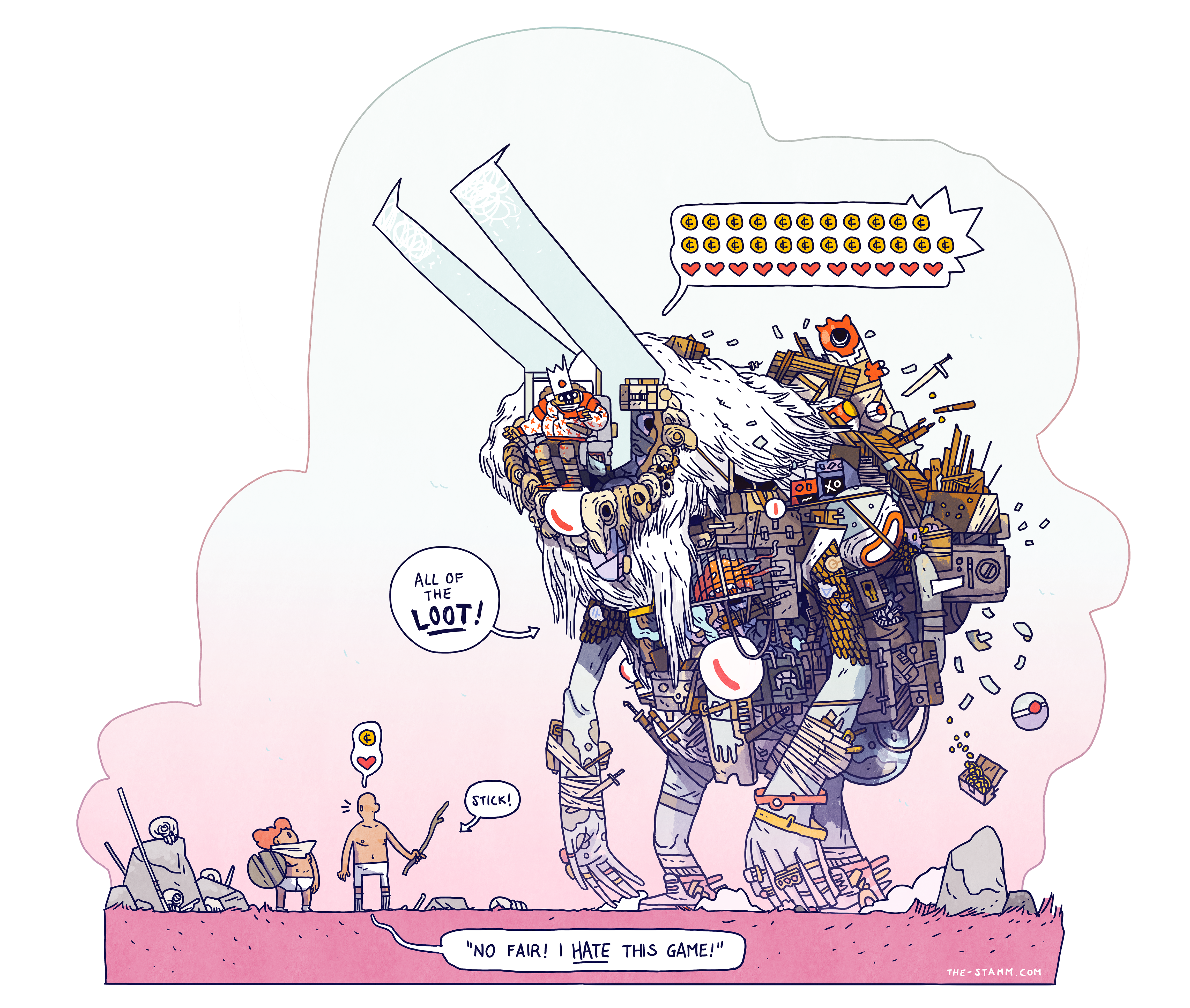
By their very nature, games are inherently fair – nobody enjoys playing unfair games, let alone doing so in the long term. We can learn something from this for the sake of a fair society. The same rules apply to everyone – without exception. This can serve as a model for a just society.
We are people from the gaming community. Developers, creators, researchers and enthusiasts who wish to champion democratic principles. If society were a game in which we all play, then democracy would be a set of rules designed to ensure a fair and positive experience for everyone: Equal rights for all, fair and secret elections, and the assurance that, even as individuals, we possess rights guaranteed against powerful institutions.
Even though this set of rules known as 'democracy' is far from perfect, what its opponents are striving for is far worse: the concentration of economic and political power in the hands of a few players, without oversight and without transparency. The discrimination, exclusion and disenfranchisement of entire groups of players, and the constantly stoked hatred of a supposed majority against minorities as the foundation of their ideology. The result would be the opposite of a fair and good game. But unlike a game that you can simply walk away from if you no longer enjoy it, society is the reality in which we all have to 'play along', whether we like it or not.
Democracy is not a given
Autocratic forces openly call for and plan ethnic cleansing, the persecution of political opponents and state control of science and research; they seek to abolish the rule of law and bring elections, the media and culture into line. For some years now, these demands have not merely been voiced openly. These forces have also succeeded in making them, to some extent, socially acceptable and capable of gaining majority support.
A look at the world and at history teaches us that these are not empty threats. These forces are willing and able to enforce their demands, given the opportunity and left unchecked by the people.
This is why we want to take action to preserve, defend and improve democracy. Democracy cannot be taken for granted; it must be lived out and defended every day, in both big and small ways. We want to use our talents and our knowledge of games to ensure that the social game remains fair and free. We are looking for people from the gaming community who would like to join us in this endeavour.
We understand games as a cultural tool that promotes democracy
Games – including digital games – are spaces in which people learn to deal with complexity, take responsibility and see things from different perspectives. At a time when democratic values are under immense pressure, we want to show that democracy can be actively experienced and shaped with optimism.
Political education needs powerful games
Therefore, we view games not only as an economic force and a driver of innovation, but also as a powerful cultural phenomenon. Games play a significant role in shaping individual educational development, right up to democratic competency. We wish to highlight games as a cultural technique and its socially impactful content, setting it apart from economic considerations and technical innovation, and treat it as an equal to other media forms.
Authoritarian forces are increasingly attempting to restrict cultural creativity and narrow the space for culture and expression. This naturally also affects games as a cultural asset, where we see a particular risk in the concentration on a few commercial distribution platforms, whose curation follows not democratic principles but exclusively economic logic. We see this development with a critical eye and are therefore actively seeking ways to ensure cultural diversity and freedom for games.
Beyond that, we wish to establish analogue and digital games as key drivers in fostering democratic thinking. It is precisely through the possibilities offered by games that we can connect with people on an emotional level and bring about profound change. This requires a particular sense of responsibility towards society, grounded in our liberal democratic constitutional order.
Liberal democracy needs a plurality of voices
Games represent a cultural practice that inherently promotes democracy. Games are a space for education and experience that shapes and nurtures people. Games influence a significant section of the democratic public.
Liberal democracy needs a strong civil society. People come together to ensure our society remains resilient. We therefore warmly invite everyone who can endorse these principles to join us after signing. Questions welcome at play@fairplaydemocracy.de.
By signing this open letter, you will receive a link to our Discord server.
We look forward to welcoming you!